
My DIY post-cancer recovery plan.
Join my bad-ass aftercare team!

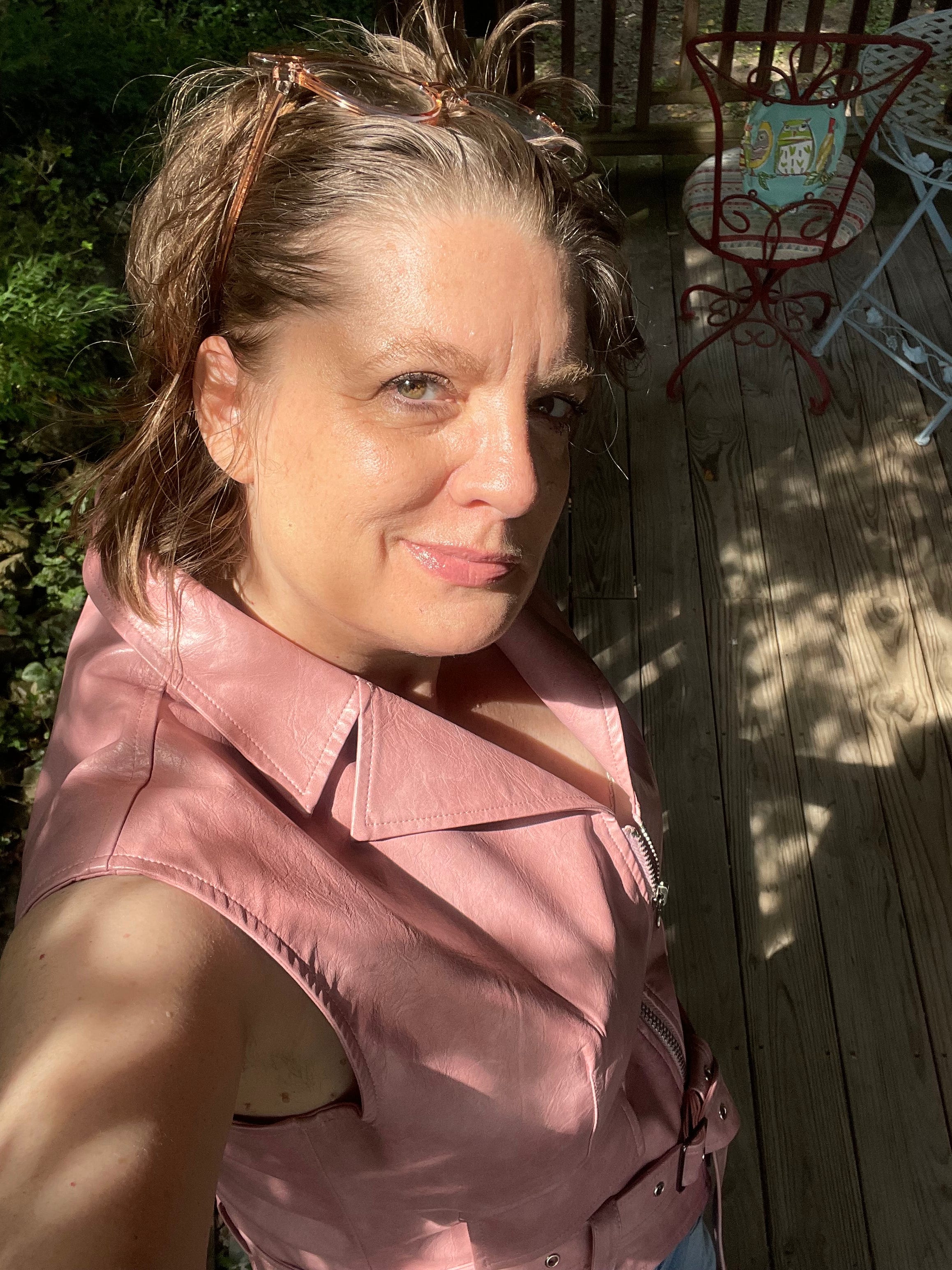
Last April, I was at the oncology center waiting for some results from my oncologist. After about 20 minutes, she rushed in and said, “You’ve had a complete response. We’re done. Colonoscopy in a year."
I blinked a couple of times and was about to say, “I’m sorry, what?” But before the words got out of my mouth she was gone.
After a year and a half of seeing this person, at this place, multiple times each month I was now being told, “You’re cancer-free. We’re washing our hands of you.” Within three months, my whole treatment team had told me, “We’re done.”
Yes. This is the news we all want to hear. But I was still exhausted, healing an open surgical wound, feeling the first whispers of body trauma, and dealing with IBS and fecal incontinence. I was physically, mentally and emotionally trying to understand what life even was after being sliced, radiated, and chemically altered.
My body was very clearly saying: we are NOT done. And there was no one there to help me with next steps.
Thankfully, my cancer therapist stuck with me and validated my feelings- many of which I hadn’t even named yet.
She keeps reminding me that it takes cancer patients an average of a year (or two months for every month of treatment) to recover from the damage caused by treatments- not caused by cancer, caused by cancer treatments. And her work with patients with a diagnosis had shown her that there currently is no real aftercare system for cancer survivors.
At best survivors are directed to their PCP- who usually isn’t equipped to handle the effects of chemotherapy, radiation, surgery and other treatments on the body, brain, and spirit. At worst, survivors are left to figure it out on their own. Top that off with a mountain of growing debts, loss of access to cancer-related benefits and financial support, and the fact that non-medical healing modalities that support recovery are not covered by insurance and you have a survivor who is literally just trying to survive.
I do not want another cancer diagnosis.
A lot of people immediately try to go back to living life like “it was before diagnosis”- and that seems to be what’s expected of cancer survivors. My experience has not matched this expectation. Physical, emotional, and mental healing take time, focus and support.
The lack of understanding and support around what was really going on with me now that I was cancer-free left me angry, frustrated, and exhausted. I knew that if I kept trying to apply what others thought I should be doing or not doing and looking to our healthcare systems for answers, I would probably end up back in the oncologist’s office.
So, I made a decision to treat my recovery with the same intensity I gave treatment.
Just like when I was newly diagnosed, I must begin with a plan and a team. I’m slowly building my own DIY post-cancer recovery plan and aftercare team that includes:
Retraining my digestive and excretory systems
Obscene amounts of toilet paper
A bidet for my ouchy butt
Acupuncture to support energy and brain/body comms
Walking and hiking and dancing around the house
Pelvic floor therapy
Massage and lymphatic drainage
A personal trainer who gets trauma
Deep relaxation practices and yoga
Checking in with my body daily
Rewiring my nervous system and my neural pathways
Consistent support from my cancer therapist
And about 19 other things insurance doesn’t consider “necessary”
If you’d like to join my DIY aftercare adventure, you can:
Stock me up on stuff from my Aftercare Wishlist
Become a paid subscriber here.
Eat tasty healthy meals with me from Green Chef -you get a free box and I get a credit toward my next one
Venmo @jenni-tooley
Zelle: jennitooley@gmail.com
Send me a cheerleading gif
Keep me in your prayers and best wishes
If you know of anyone out there who might feel supported or inspired by my approach, please share:)
Lotsa love!
Jenni